

Heritage vs Rebellion: The 2026 World Cup Ad War
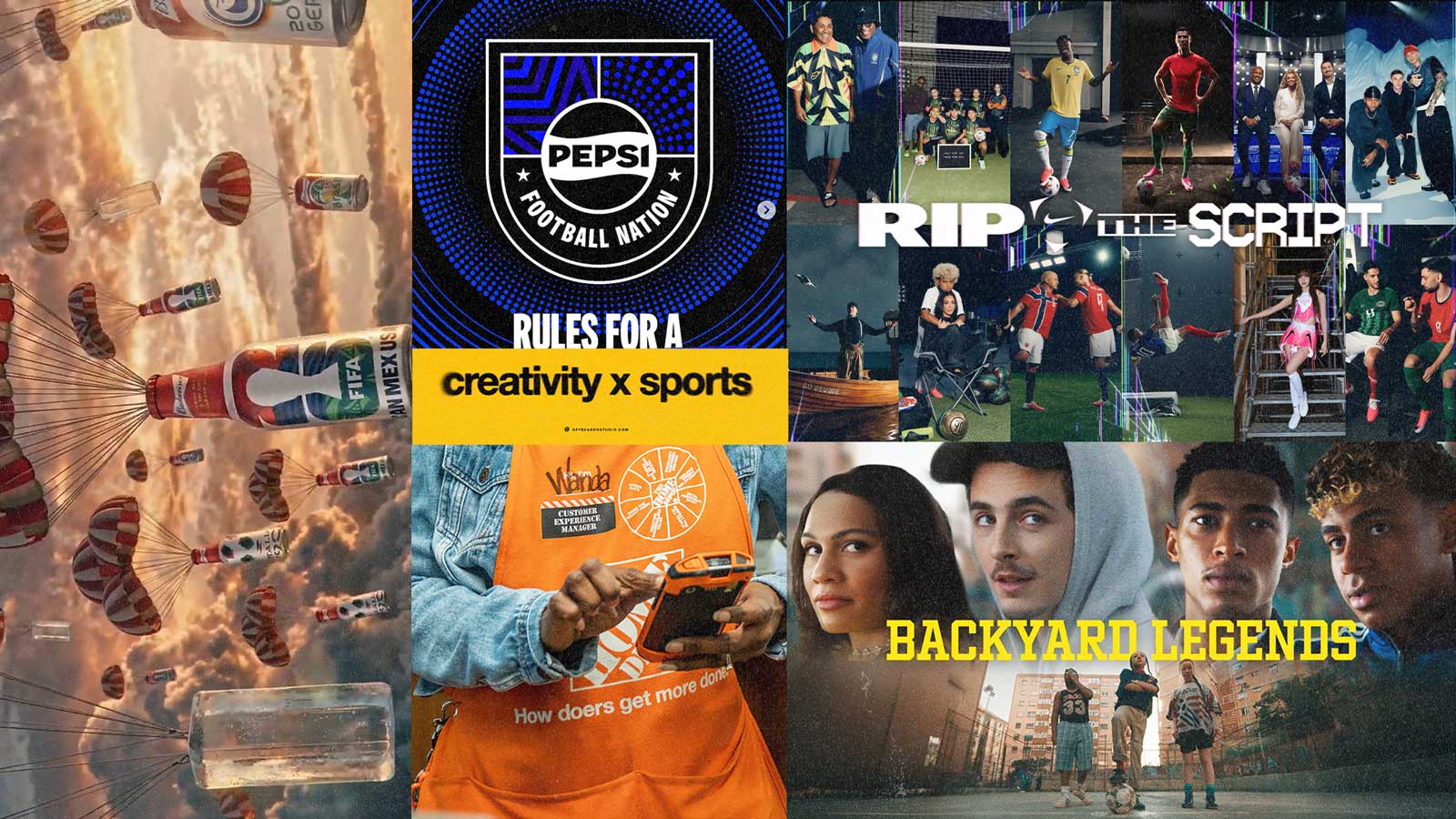
On June 11 the biggest World Cup ever kicked off. 104 matches across the United States, Canada and Mexico. Around 6 billion viewers. More than $10 billion in advertising.
The best match, though, isn't on the pitch, not yet. It's in the films, the kits and the activations.
Nike vs Adidas
Nike opens with Rip the Script. Six minutes, more than thirty players, one message. Tear up the script. The future is rebellion.
Adidas goes the other way with Backyard Legends. It carries the weight of history. Take the authority that comes with it.
On the kits, both raid the '90s, opposite intentions. Nike takes the shapes of the past, updates the '90s templates, the geometric patterns, the graphics that nod to '94, and drops them into contemporary cuts, fabrics and finishes.
Adidas makes near-faithful reproductions. The USA 2026 denim shirt is almost identical to '94. The Germany remakes are declared copies. The implicit message: that stuff was already perfect, the most we can do is honor it.
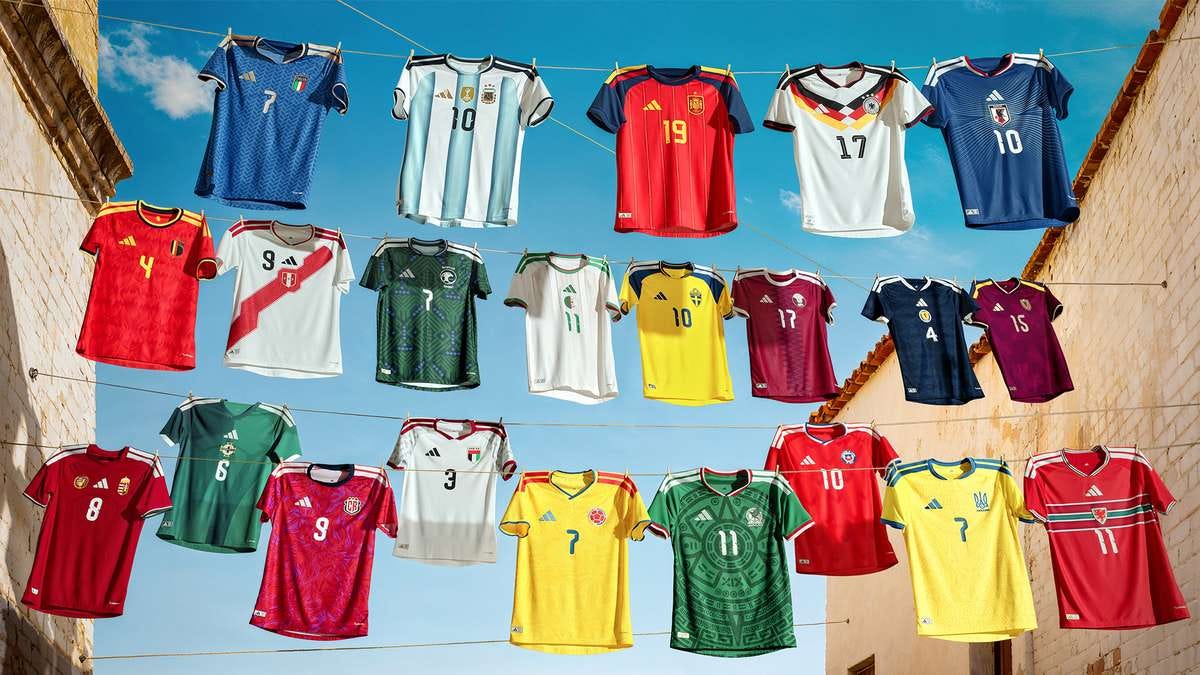
Nike uses '94 to say where it's going. Adidas uses it to say where it comes from. Same football history, two relationships with time.
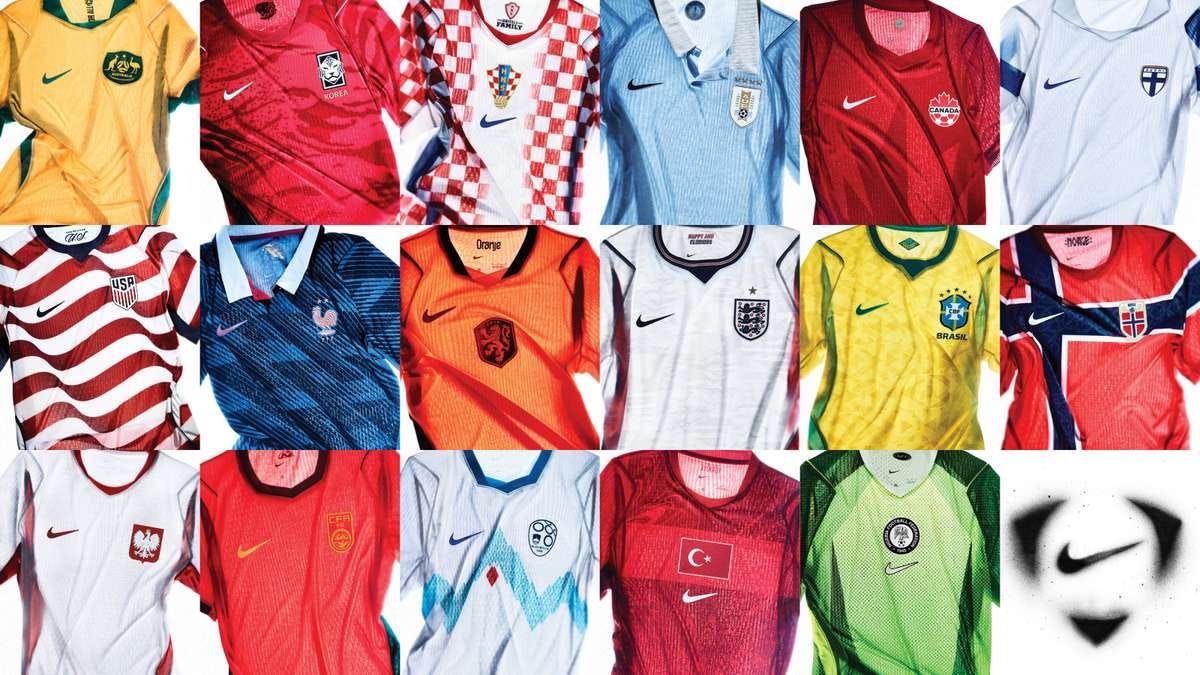
Rebellion or heritage. Both work. Both have a point of view strong enough to lose someone.
A real position excludes. If Nike says football is rebellion against the rules, it loses the traditionalists who love tactical discipline. If Adidas says football is heritage, it loses the ones who want to feel part of the sport's future. A brand trying to lose no one says nothing: it produces neutral noise that doesn't stick. The strength of a message is also measured by who rejects it.
Fans at the center
Then there's the rest of the market.
Around 75% of the official campaigns bet on celebrity casts. Pepsi lined up Beckham, Vini Jr, Salah, Putellas and Gordon Ramsay. Kevin Hart got mocked at the draw. Coca-Cola used AI to fill a gap and took the backlash.
The trouble starts when the brand puts itself at the center. This World Cup seems to punish that.
The ones who won did the opposite. Lay's, LEGO and Fox built around the fan. Brahma celebrated the supporters. Home Depot put its employees' names next to the players' in We All Have a Name.
Give your audience the lead role. The audience picks you.
Positioning and generosity
Nike and Adidas win on positioning. Lay's, Brahma and Home Depot win on generosity. The ones who lose have neither. Just familiar faces in front of a logo.
Budweiser closed the loop. The Big Drop didn't generate an image. It built one. 36-meter bottle-shaped balloons at the Maracanã. A Guinness World Record. While Coca-Cola was being punished for AI, Budweiser did something real, expensive and impossible to fake. Positioning and generosity in a single move.
What to take home
The 2026 World Cup is a live test. The lesson isn't make a fan campaign or use fewer stars. It's a little more complicated.
A brand's positioning may have to lose a few supporters. And a brand's generosity often gets repaid.
Positioning without generosity is arrogance. Generosity without positioning is ineffective. Stars can become expensive noise.
Kickoff. In a month we'll know who won on the pitch. It's still open war off of it.
Until the next one!
Fabio